

From scientist to coach and why meaningful conversations matter
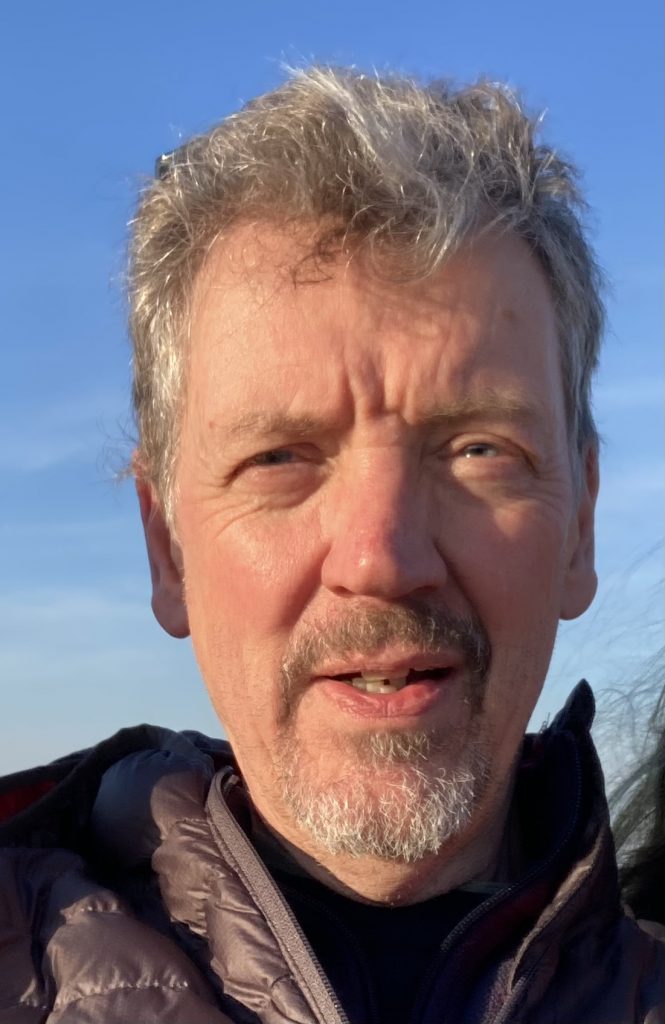
Wise Goose alumnus Martin Bloxham reflects on coaching, leadership, and how tools like the Map of Meaning shape meaningful work in practice.
From science to leadership – and coaching
When Martin Bloxham joined Wise Goose, he was already working globally as a leadership trainer for scientists. With a background in analytical chemistry and years as a UN consultant, his work focused on supporting scientists who find themselves moving quickly into leadership roles.
Yet something wasn’t quite landing.
“I thought I was already coaching people, but I just wasn’t doing it very well. I thought somehow I had to help them by providing answers and solutions – because that’s what scientists do.”
That realisation, that advice‑giving wasn’t always what people needed, became a turning point.
Discovering what coaching really is (and isn’t)
Martin came to Wise Goose with what he describes as “healthy scepticism”, something he still recognises as a core part of scientific culture.
“Scientists are sceptics by nature, inquisitive, critical. So you have to make sure what you offer fits the audience.”
What struck him early on was the warmth, the practical nature of the training, and the importance of leaving with something usable.
“Unless you can leave with something to use, it might be a nice experience, but it’s not very useful. I left with something to use that was really important.”
Over time, coaching began to permeate far beyond one‑to‑one conversations.
Coaching as a way of being in service
Since completing the programme, Martin has built a substantial coaching practice alongside his training work, coaching senior leaders and teams within science organisations worldwide.
“The training has enabled me to have the confidence to promote myself and take on coaching clients. I’m now coaching people at senior levels and doing team coaching as well.”
More than tools or models, what stayed with him was a shift in stance.
“As a professional coach, I am in service to others. As a trainer, I’m in service to others. Coaching is really not about you – it’s about the other person.”
This idea of service now underpins his leadership development work, facilitation, and even how he chairs boards.
Coaching Tools & Frameworks – timing matters
Among the frameworks Martin continues to use is the Map of Meaning, recently explored in the latest Wise Goose weekend.
“I use many of the tools from the training, the GROW model, the development wheel, and the Map of Meaning.”
Yet he’s clear that when and how a tool is introduced matters just as much as the tool itself.
“I did the Map of Meaning with a client recently, I would never have done that six months ago. It wouldn’t have landed then. It did land now.”
For Martin, this speaks to one of coaching’s core disciplines: meeting people where they are.
Beyond individuals: coaching teams and organisations
More recently, Martin has been working with senior science teams in global organisations, work he describes as challenging and deeply rewarding.
“It’s a very different space coaching a team. There was cynicism at first, but at the end there was a real sense of ‘wow, we did something meaningful’. And the fact they said ‘let’s do this again’ – that’s the win.”
That sense of wanting to return, not being told to, is something he holds as a marker of success.
Coaching, facilitation, and meaningful conversations
One of Martin’s reflections is how closely coaching and facilitation intertwine.
“When you’re facilitating, you’re operating in a coaching mode. It’s not about you, it’s about helping the group get the most from the space.”
Today, his organisation also teaches coaching and mentoring conversations to scientists, not to turn them into coaches, but to help them lead more humanely.
“We’re not teaching people to be coaches. We’re teaching them to have meaningful conversations.”
A final reflection
Martin is clear that coaching isn’t about expertise in a particular field, or having all the answers.
This became especially vivid for him after a conversation with a business owner who believed that decades of experience automatically qualified him to coach younger people; that coaching was simply about passing on hard‑won knowledge. Martin appreciated the intention, but also the misunderstanding.
“You don’t need forty years of experience to be a coach. Coaching is about listening, empathising, and working with someone else.”
What struck Martin was the subtle but crucial distinction between advice‑giving and coaching. Coaching, as he has come to practise it, is not about positioning oneself as the expert in the room, but about creating space for others to think, explore, and find their own way forward.
It’s a perspective that continues to ripple outward, into leadership, organisations, and the wider systems his work touches, shaping more thoughtful, humane and meaningful conversations wherever he works.
In the video below, Martin speaks candidly about his journey, the realities of coaching sceptical audiences, and why frameworks like the Map of Meaning continue to support meaningful, grounded practice.
Interested in training that lives on in real practice?
Explore Wise Goose professional coach training and discover approaches and frameworks designed to support meaningful work, wherever your practice takes you.